
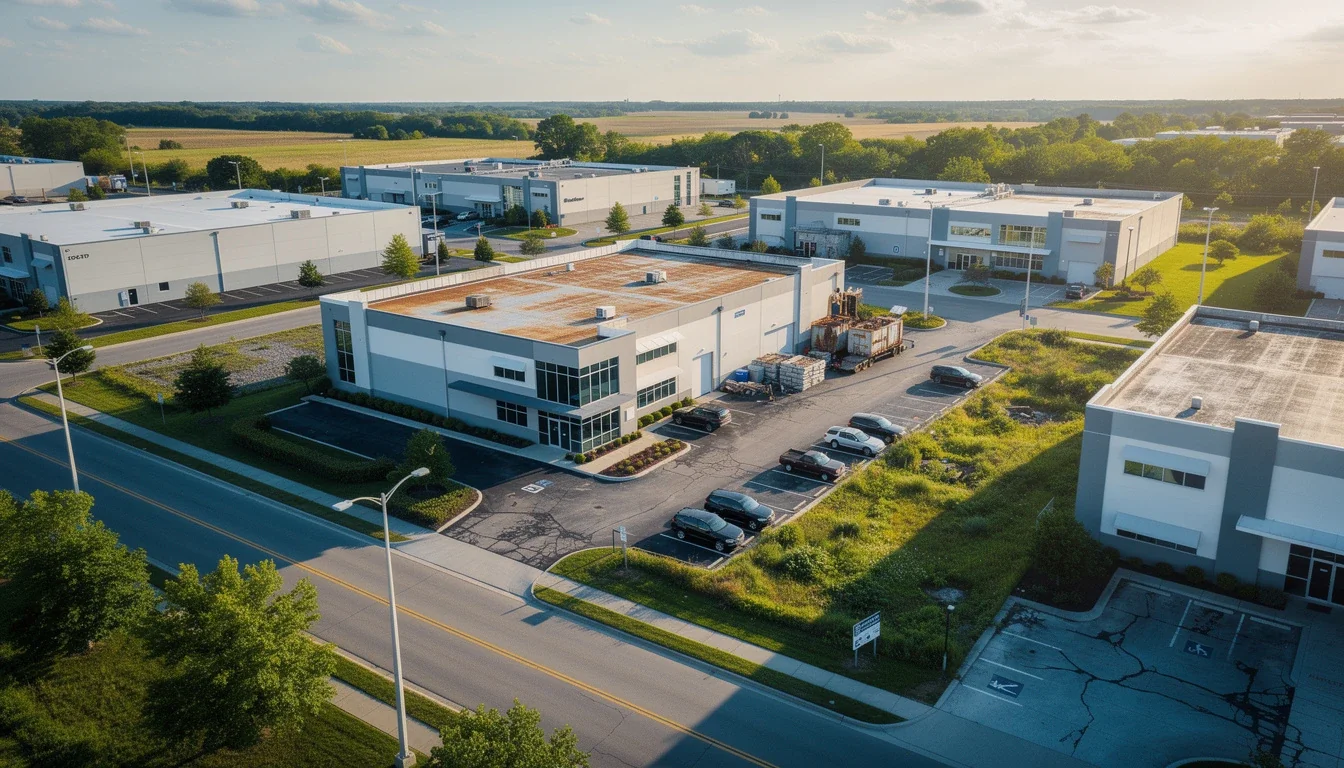
If you own a commercial property that’s facing environmental challenges—anything from old fuel tanks to past chemical spills—you already know the process of selling isn’t simple. The words “environmental issue” can instantly transform a straightforward sale into a drawn-out negotiation, filled with uncertainty, paperwork, and potential legal headaches. But what if there was a faster, lower-stress way to move forward? At Casey Sullivan Real Estate, we’ve helped property owners across the country turn complicated sales into win-win outcomes. Let’s break down how you can sell a commercial property with environmental concerns and what to expect at every step.
Understanding Environmental Issues in Commercial Real Estate

Before diving into your options, it’s important to understand what counts as an “environmental issue” in the eyes of buyers and regulators. Most commonly, these concerns include things like underground storage tanks, asbestos, lead paint, mold, soil or groundwater contamination, and hazardous building materials. Sometimes, it’s a legacy problem—maybe you inherited a site where a dry cleaner or gas station once operated. Other times, it’s something that’s been discovered during a routine inspection or environmental assessment.
These issues don’t just affect the value of your property—they can impact how quickly you can sell, what buyers are willing to pay, and even whether a traditional buyer will touch the deal at all.
Pro tip: Even if you’re not sure whether your property has environmental problems, a Phase I Environmental Site Assessment (ESA) can help identify risks early and clarify your next steps.
The Impact on the Sale Process
When a commercial property has environmental concerns, the traditional real estate process tends to slow down. Potential buyers, especially those relying on financing, will almost always require environmental assessments before moving forward. If an issue is found, lenders might refuse to fund the purchase, or buyers may back out alto gether.
Disclosure laws are strict—sellers are required to inform buyers about known environmental hazards. If you fail to disclose, you could face lawsuits or regulatory action down the line. This makes being upfront not only the ethical choice but the safest one.
The typical steps involved in a sale with environmental issues might include:
- Ordering environmental inspections (Phase I, possibly Phase II ESA)
- Negotiating who will pay for any remediation or cleanup
- Waiting for regulatory approval if remediation is needed
- Navigating buyer concerns about long-term liability
Each of these steps can add weeks or months to the process.
Pro tip: Don’t wait for a buyer to discover issues—address environmental concerns proactively. It saves time, builds trust, and can even improve your bottom line.
Remediation Options: What Are Your Choices?

Once an environmental issue is identified, you’ll generally have three paths:
-
Remediate Before Selling: You handle cleanup or mitigation yourself, aiming for a “clean” bill of health before marketing the property. This can yield a higher price, but it often means spending significant time and money upfront.
-
Sell As-Is, With a Price Adjustment: You disclose the issues and sell the property as-is, usually at a discount to account for the cost and risk of future remediation. This is common for sellers who don’t want to take on the cleanup themselves.
-
Work with a Specialized Buyer: Some buyers—like Casey Sullivan Real Estate—are experienced in addressing environmental problems. We purchase properties as-is for cash, handle all due diligence quickly, and take on the risk of remediation ourselves.
Choosing the right path depends on your timeline, resources, and risk tolerance.
Pro tip: If you’re pressed for time or just want to avoid a complicated process, consider working with a buyer who specializes in as-is transactions. You’ll save months of uncertainty and negotiation.
How Specialized Buyers Make a Difference
Not all buyers are created equal, especially when environmental issues are on the table. Traditional buyers, especially those using bank financing, are often unwilling or unable to move forward once contamination is discovered. Even seasoned investors may ask for steep discounts or walk away if the risks seem too high.
At Casey Sullivan Real Estate, our approach is different. We’re equipped to evaluate environmental issues quickly and make fair cash offers, regardless of a property’s challenges. Our team works with environmental consultants and remediation experts across the country. This allows us to:
- Assess the cost and scope of cleanup in days, not weeks
- Navigate regulatory processes efficiently
- Close quickly—sometimes in as little as two weeks
- Relieve sellers of future liability and ongoing headaches
This approach isn’t just about speed—it’s about creating a genuine win-win. Sellers get certainty, cash, and a fast exit. We handle the heavy lifting, ensuring the property is responsibly prepared for its next chapter.
Pro tip: Ask any prospective buyer about their experience with environmental properties. A seasoned specialist will have clear answers and a proven process.
Navigating Legal and Regulatory Requirements
Environmental laws can be daunting. Federal and state regulations (like CERCLA, also known as Superfund) can assign liability to current and past owners, even years after a property changes hands. That’s why properly documenting your disclosures and sale terms is critical.
When selling a property with known environmental issues, you’ll need to:
- Provide full written disclosure of all known hazards and past environmental reports
- Clarify in the contract who is responsible for any existing or future cleanup
- In some cases, work with environmental attorneys to ensure compliance and protect yourself from future claims
Failing to follow the rules could lead to costly litigation or government action—even if you sold the property years earlier. That’s why having a knowledgeable buyer and legal team makes all the difference.
Pro tip: Keep a paper trail. Save all environmental reports, communications, and disclosure documents related to your property. It’s your best shield against future disputes.
Fast-Track Your Sale: How Casey Sullivan Real Estate Can Help
If your goal is to move on quickly and with minimal hassle, working with an experienced, cash buyer like Casey Sullivan Real Estate can be a game-changer. Here’s how our process stands out:
- Speed: We can provide a fair, no-obligation cash offer within days of your first call.
- Simplicity: No endless showings, no financing contingencies, no waiting for buyer approvals.
- Certainty: We buy as-is, regardless of environmental challenges, and handle all the paperwork and remediation.
- Support: Our team guides you through every step, ensuring a smooth transition and peace of mind.
We’ve purchased properties with everything from minor asbestos issues to major soil contamination. For sellers, that means less stress, no surprises, and a solution that works—fast.
Pro tip: Even if you’re unsure about the extent of your property’s environmental issues, reach out for a confidential conversation. You might be surprised at just how straightforward a sale can be.
Conclusion
Selling commercial property with environmental issues doesn’t have to mean endless delays, legal headaches, or accepting a rock-bottom offer. With the right approach—and the right buyer—you can turn a challenging situation into a simple, rewarding transaction. At Casey Sullivan Real Estate, we’re committed to making tough sales easy, fast, and fair for everyone involved. If you’re ready to move on from a property with environmental concerns, let’s talk about how we can help you take the next step, stress-free.